
Aluminum Foil Woven Fabric vs Metallized Film Woven Fabric: What Are The Key Differences
12 10 月, 2026
If you are sourcing reflective insulation materials, thermal packaging liners or radiant barrier rolls, you will quickly encounter two similar-looking products: aluminum foil woven fabric and metallized film woven fabric. Both feature a shiny silver surface laminated onto woven polypropylene or PE scrim, and both reflect radiant heat. However, their core construction, barrier performance, durability, cost and best applications differ dramatically. Many buyers mistakenly substitute one for the other, leading to failed projects, rejected shipments or unexpected cost overruns.
This guide breaks down the differences to help you select foil woven fabric or metallized woven fabric for insulation bags, construction radiant barriers, machinery moisture packaging, agricultural covers and cold chain transport.
What Is Aluminum Foil Woven Fabric?
Aluminum foil woven fabric, also known as foil laminated woven fabric, is a composite material made by bonding a solid, continuous sheet of real aluminum foil onto woven fabric substrate, usually PP woven cloth, with adhesive or PE extrusion lamination.
The aluminum foil layer is actual rolled aluminum, typically 6 to 20 microns thick. The woven scrim delivers high tensile strength and tear resistance, solving the weakness of pure aluminum foil which tears easily.
Main advantages of aluminum foil woven fabric:
- Superior vapor and oxygen barrier: The solid aluminum foil blocks nearly all water vapor, moisture and gas penetration. It is ideal for long-term anti-rust packaging for metal equipment and marine export shipments.
- Excellent light blocking: Zero light transmission, fully blocking UV and infrared radiation.
- High radiant heat reflection: Reflects up to 95% of radiant heat, stable performance even after long-term use.
- Consistent performance: Less affected by scratches than metallized film, good for permanent building insulation projects.
Limitations:
- Higher material cost than metallized film woven fabric
- More rigid, less flexible when repeatedly folded; heavy creases may crack the aluminum foil layer
What Is Metallized Film Woven Fabric?
Metallized film woven fabric, also called aluminized film woven fabric, uses vacuum metallized PET film laminated to woven fabric. Instead of a solid aluminum sheet, an ultra-thin nanometer aluminum layer is deposited onto a PET plastic film under vacuum conditions. The metal layer sits on top of the PET carrier film, then bonded to woven scrim.
It looks visually similar to aluminum foil woven fabric, but the aluminum coating is extremely thin.
Main advantages of metallized film woven fabric:
- Lower cost: More budget-friendly for large-volume, cost-sensitive orders
- Lightweight and flexible: Soft hand feel, can withstand repeated folding and bending without cracking the metal layer
- Good thermal reflection for short-term applications: Suitable for thermal bags, insulated luggage lining, temporary sunshades
Limitations:
- Weaker moisture & oxygen barrier: The thin aluminum coating can develop tiny pinholes or lose barrier performance after scratches and flexing. It cannot match the vapor barrier of real aluminum foil.
- Lower UV resistance; prolonged outdoor exposure gradually reduces reflectivity
- If the surface gets scratched, the reflective and barrier properties drop quickly
Core Comparison Between Aluminum Foil Woven Fabric and Metallized Film Woven Fabric
- Raw material structure
- Aluminum foil woven fabric: Solid rolled aluminum foil + woven fabric
- Metallized film woven fabric: Vacuum deposited nano aluminum coating on PET film + woven fabric
- Vapor barrier performance
- Aluminum foil woven fabric: Excellent, near 100% vapor barrier, for heavy moisture blocking
- Metallized film woven fabric: Moderate barrier, works for general moisture resistance, not for long-term marine anti-rust packaging
- Flexibility & folding resistance
- Aluminum foil woven fabric: Stiffer; heavy repeated folding may crack aluminum foil
- Metallized film woven fabric: Flexible, good folding endurance, perfect for reusable thermal bags
- Light & UV blocking
- Aluminum foil woven fabric: Full light block, outstanding UV shielding
- Metallized film woven fabric: Partial light block; UV performance degrades outdoors over time
- Weight & cost
- Aluminum foil woven fabric: The weight is almost same, higher unit price
- Metallized film woven fabric: The weigth is almost same, lower cost for mass production
- Typical service life
- Aluminum foil woven fabric: Long service life for permanent construction insulation
- Metallized film woven fabric: Medium service life, better for disposable or frequently folded products
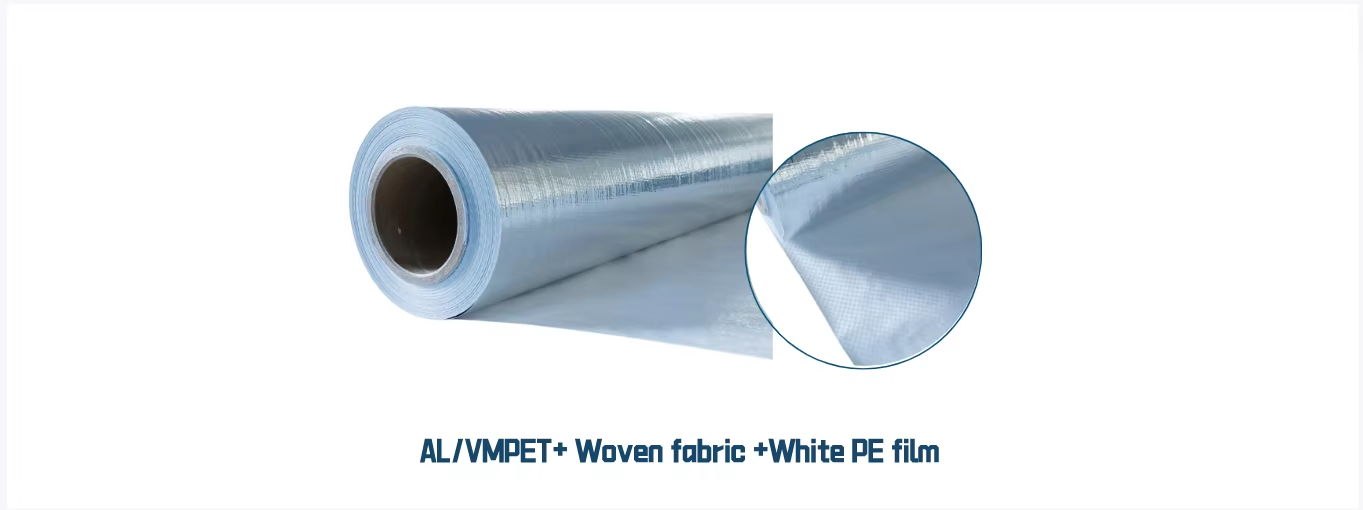
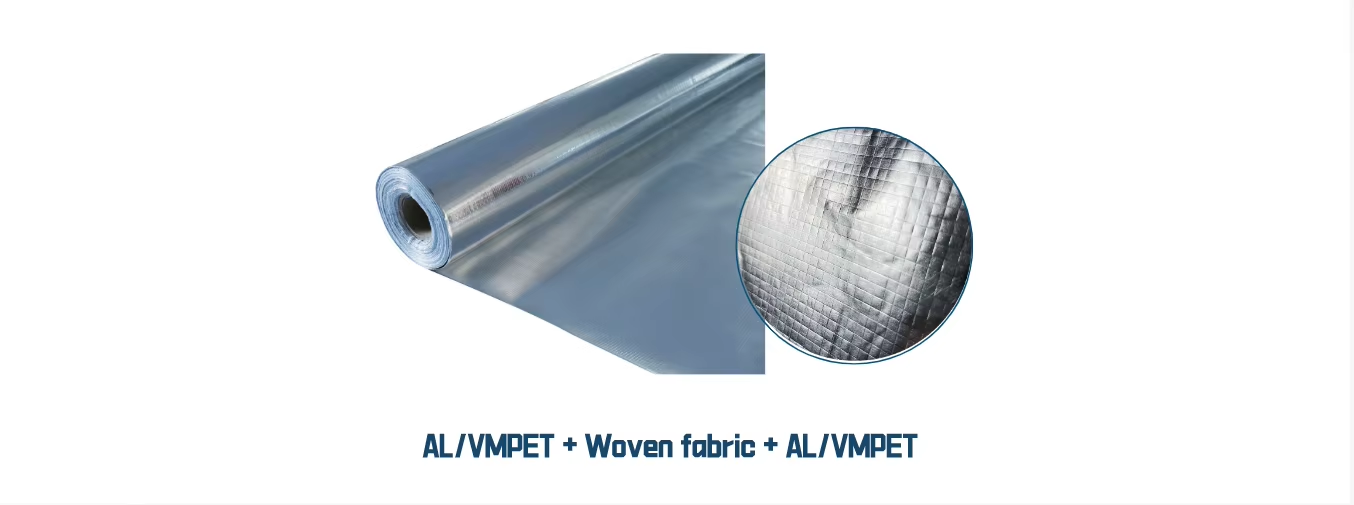
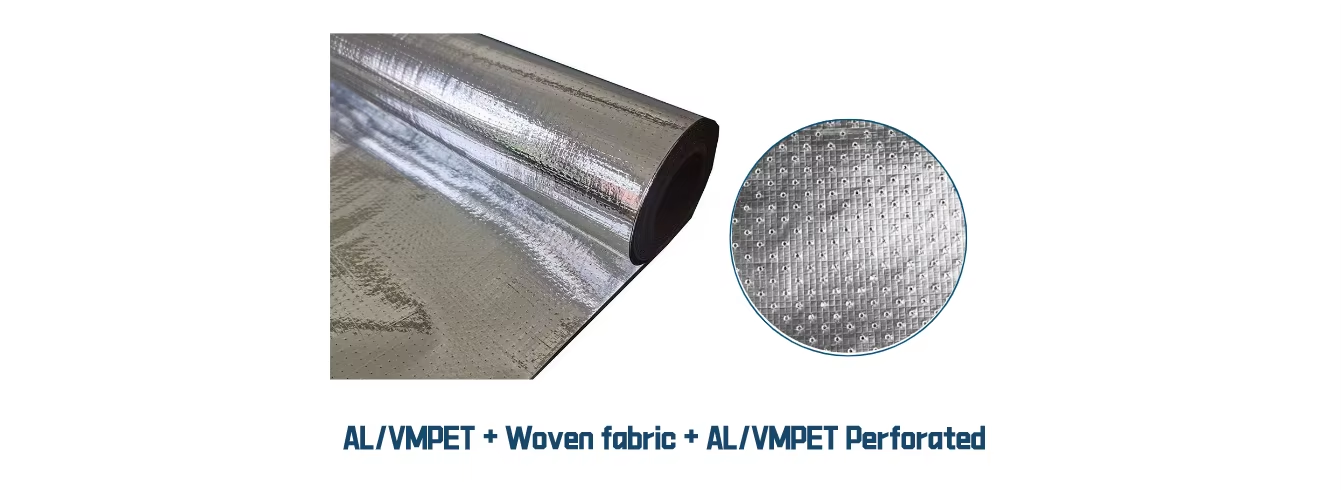
How To Choose Between Foil Woven Fabric and Metallized Film Woven Fabric
Choose aluminum foil woven fabric if your project needs:
- Long term moisture and vapor barrier protection for export machinery packaging
- Building radiant barrier under roof, wall insulation and permanent construction applications
- Full light and UV blocking
- Critical anti-corrosion packaging for metal parts shipped by sea
- Static installation without frequent folding
Choose metallized film woven fabric if your project needs:
- Insulation bag lining, thermal food bags, cooler box liners
- Lightweight temporary sunshades, agricultural greenhouse reflective covers
- Low-cost large rolls where strict vapor barrier is not required
- Products requiring repeated folding and bending, such as insulated luggage
- Budget orders with less strict moisture barrier requirements
Common Applications Overview
Aluminum foil woven fabric applications:
- Construction radiant barrier for roof and attic insulation
- Anti-rust moisture barrier packaging for industrial equipment, steel parts export
- HVAC duct wrapping
- Cold room wall liners
- Heavy-duty pallet covers for sea freight
Metallized film woven fabric applications:
- Insulated 箱包 lining (thermal luggage, cooler bags)
- Temporary outdoor sun reflective covers
- Agricultural thermal reflective films
- Lightweight thermal packaging for food delivery
- Disposable insulation covers
Frequently Asked Questions
Q: Is metallized film woven fabric waterproof?
A: It offers splash resistance and basic moisture repellency, but its vapor barrier is limited. It cannot replace aluminum foil woven fabric for long-term high humidity environments.
Q: Can aluminum foil woven fabric be used for thermal bags?
A: Technically yes, but it is stiffer and more expensive. Most thermal bag manufacturers prefer metallized film woven fabric for better softness and lower cost.
Q: How to quickly tell the two materials apart by visual test?
A: Hold the fabric against strong light. Metallized film woven fabric may show faint light transmission, while genuine aluminum foil woven fabric blocks all light completely.
Final Thoughts
Aluminum foil woven fabric and metallized film woven fabric share a silver reflective appearance, but they are not interchangeable materials. Aluminum foil woven fabric delivers premium vapor barrier, full light blocking and long-term stability for industrial packaging and building radiant barriers. Metallized film woven fabric provides a lightweight, flexible, cost-effective alternative for thermal bags, temporary reflective covers and cost-sensitive projects.
Before placing bulk orders from China suppliers, confirm your requirements for vapor barrier, folding cycles, UV exposure and budget. Sharing these specifications with your manufacturer ensures you get the correct woven reflective fabric and avoid costly material mistakes.